Loading...
Serving Moreno Valley, CA and surrounding areas. (951) 518-9916
Moreno Valley Sunrooms & Patios is a sunroom contractor serving Moreno Valley with sunroom additions, patio enclosures, and screen rooms designed for the Inland Empire's triple-digit summers and clay soils. Serving this area since 2016 with fully permitted projects.
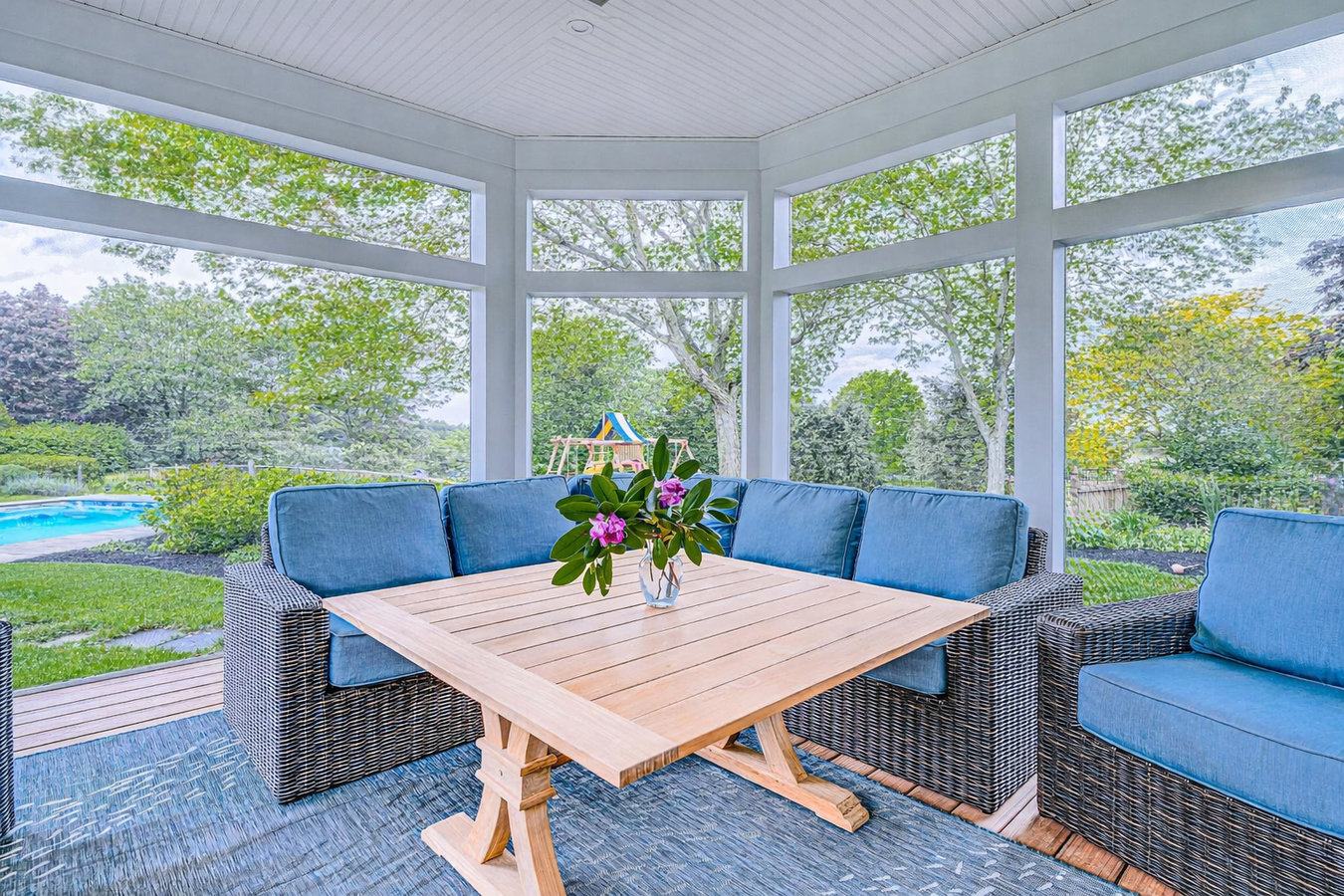
Adding a sunroom in Moreno Valley means working around clay soils that expand and contract every season - the foundation has to be engineered for that movement or the room will shift and leak. We plan for these conditions on every sunroom addition we build here.
Most Moreno Valley homes have a concrete slab patio that sits unused for months because the heat makes it unbearable. A properly designed patio enclosure with heat-reducing glass gives that space a roof, walls, and protection from the sun so it becomes usable year-round.
Moreno Valley evenings in late spring and fall can be genuinely pleasant - but the flies and insects make sitting outside uncomfortable. A screen room gives you open-air ventilation without the bugs, and it is a lower-cost alternative to a fully enclosed sunroom when the climate allows it.
Homes in the Rancho Belago area and other newer Moreno Valley subdivisions often have HOA rules that favor enclosed, finished-looking additions over screen rooms. A four season sunroom - fully insulated and connected to your HVAC - satisfies those requirements and handles the summer heat properly.
Moreno Valley's 280-plus sunny days mean even a simple patio cover makes a dramatic difference in how usable your outdoor space is. A solid-roof or lattice cover over your existing slab is often the fastest and most affordable first step toward a protected outdoor living area.
Older homes near the March Air Reserve Base and the Sunnymead corridor were often built with basic patio covers and screen enclosures that no longer seal properly or manage heat well. Remodeling an existing sunroom is often more cost-effective than tearing it down and starting over.
Moreno Valley sits at around 1,600 feet in the Inland Empire, roughly 60 miles east of Los Angeles. Summer temperatures here regularly exceed 100 degrees, and the city sees around 280 sunny days per year. That combination of heat and UV exposure is much harder on sunroom glass, framing seals, and roofing connections than anything a coastal contractor typically works with. A sunroom designed for San Diego's climate will fail much faster in Moreno Valley's summers.
The soil under most Moreno Valley homes is clay-heavy and expansive, meaning it swells when it absorbs winter rain and shrinks in the dry summer months. This seasonal movement puts stress on any concrete slab or footing, and it is one of the main reasons sunroom additions in this area need foundations engineered specifically for this behavior. The California Geological Survey documents expansive soil zones across Riverside County, and much of Moreno Valley falls within those zones. A sunroom contractor who has not worked here before may not account for this - and the result is a foundation that cracks within a few years.
We have been pulling permits from the City of Moreno Valley Building and Safety Division since 2016 and know the plan review process there well. The city treats sunrooms as full structural additions, which means engineered drawings are required and inspections happen at multiple stages. A contractor unfamiliar with this process will hit delays - we know what the reviewers flag and how to prepare drawings to minimize back-and-forth.
Moreno Valley is a large city with distinct neighborhoods. The older western areas near the March Air Reserve Base have housing stock from the early 1980s that often has original patio covers in need of replacement or upgrade. The Sunnymead corridor runs through the center of the city and is home to many of the mid-era tract homes from the late 1980s. Out east, neighborhoods like Rancho Belago have newer construction from the 2000s with larger lots and HOA requirements to navigate. We work across all of these areas regularly.
If you are in Moreno Valley and considering a sunroom project, we also serve homeowners in Riverside and Perris, both of which have similar climate conditions and soil types.
We reply within one business day. The first conversation covers what you have in mind, where on your property the project would go, and roughly what your budget looks like - there is no pressure and no commitment at this stage.
We visit your home to measure the space, assess your existing foundation or slab, and check the connection point where the sunroom would meet the house. After the visit you receive a written estimate with everything included - this is also when we discuss whether your HOA needs to be involved before permits are pulled.
We prepare and submit all required drawings to the City of Moreno Valley Building and Safety Division. If your neighborhood has an HOA, we coordinate that approval first. This stage typically takes two to six weeks - our familiarity with the local permit office helps keep things moving.
Once permits are in hand, we build from foundation through framing, glazing, roofing, and finishing. City inspectors check the work at required stages, and we do a final walkthrough with you when complete. You receive all permit documentation to keep with your home records.
We serve homeowners throughout Moreno Valley - from the older neighborhoods near March Air Reserve Base to the newer streets out in Rancho Belago. Call or submit your project details and we will follow up within one business day.
(951) 518-9916Moreno Valley is one of the largest cities in Riverside County, with a population of around 210,000 people. The city grew rapidly in the 1980s and 1990s as affordable housing drew families from Los Angeles and Orange County, and most of its housing stock - single-story and two-story stucco tract homes - dates from that period. The eastern neighborhoods around Rancho Belago are newer, with larger homes built in the 2000s on bigger lots. Closer to the city's western edge, you will find older homes near the March Air Reserve Base, which has anchored that part of the city since 1918.
Outdoor living is a priority for most Moreno Valley homeowners, but the summer heat limits how much time people actually spend outside from June through September. The area surrounding Lake Perris State Recreation Area just south of the city is a popular outdoor destination, and the mountains surrounding the valley give the area a distinctive character. We also work with homeowners in nearby Riverside and across the Inland Empire - the climate and soil conditions are similar enough that we bring the same engineering approach to every project in the region.
If you are thinking about a sunroom, patio enclosure, or patio cover in Moreno Valley, call us today or submit a request online - we will get back to you within one business day with a clear next step.