Loading...
Serving Moreno Valley, CA and surrounding areas. (951) 518-9916
A sunroom you will actually use all year - not just eight months. We handle the full build from permit to final inspection, with glass and foundations designed for the Inland Empire's conditions.
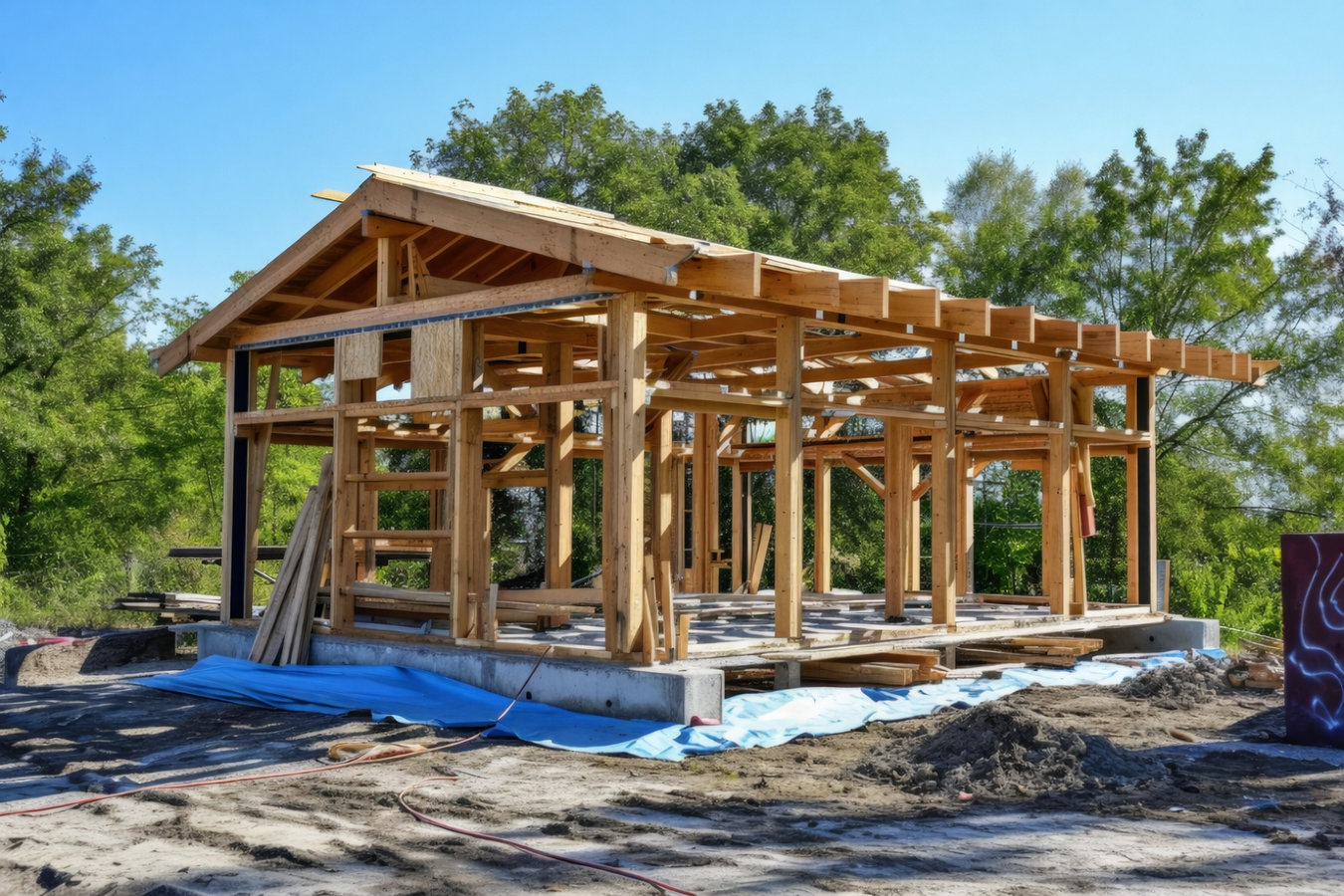
Sunroom construction in Moreno Valley is the full process of building an enclosed, glass-walled room addition onto your home - from foundation prep and permit submission through framing, glazing, and final city inspection, most projects take three to five months total from signing a contract to move-in day.
This is not a patio cover or a screen room - it is a permitted room addition with a real foundation, structural framing, and glass panels rated for Southern California's sun exposure. Homeowners who want to understand what the finished space could look like before committing to construction sometimes start with sunroom additions, which focuses on building onto an existing covered patio or slab - a starting point that can reduce both cost and timeline when the foundation work is already partially done.
Moreno Valley's summer heat regularly pushes past 100 degrees, and most covered patios are genuinely unusable from late May through September. If you have outdoor space you cannot use for four to five months of the year, a properly constructed sunroom gives it back to you - with climate control and shade built in from the start.
A sunroom is often a more affordable path to added square footage than a full interior addition, because glass panels replace some of the insulated wall and framing cost. Whether you need a home office, a playroom, a dedicated exercise space, or simply a room that is not a bedroom, a sunroom delivers that in a way that also adds natural light and views.
If the patio structure at the back of your house is faded, cracked, or sagging - common in Moreno Valley homes built in the 1980s and 1990s - replacing it with a proper sunroom is often a smarter investment than another repair cycle. An old cover that lets in heat and glare is already failing at its main job. A constructed sunroom lasts decades and adds to your home's value.
If this is your long-term home and you want an improvement that changes how you actually live in it - not just how it looks - a sunroom delivers that. It is a room you choose to be in, which is rare in home improvement projects. And when built with proper permits and quality materials, it also adds documented value to your property if you ever sell.
Every sunroom construction project starts with engineered plans submitted to the City of Moreno Valley - permits first, always. We handle the full scope: site assessment, HOA submission if needed, foundation design, framing, glass installation, roofing integration, electrical, and the final city inspection. We build both three-season and four-season rooms, and we handle sunroom remodeling projects for homeowners who already have an older enclosed room and want to update the glass, improve climate control, or repair a foundation that has shifted over the years.
The glass and glazing we specify for Moreno Valley projects are not the same as standard residential windows. In this climate, the difference between a sunroom that is comfortable at 10 a.m. in July and one that is not comes down almost entirely to how the glass is rated for heat gain. California's energy efficiency standards for room additions - enforced by city inspectors - set a minimum bar here, but we routinely exceed that minimum to give homeowners rooms that stay comfortable with less cooling load. We also handle sunroom additions when an existing slab or covered patio can serve as the starting point, which reduces both cost and construction time for the right property.
Enclosed and ventilated for comfortable use in spring, fall, and mild winter months - lower cost than a fully insulated build.
Fully insulated with heating and cooling - the right choice for Moreno Valley's climate if you want to use the room all year.
For lots without a usable existing slab - we pour footings and slabs engineered for Moreno Valley's expansive clay soil conditions.
We handle city permit submission and HOA architectural review in parallel so both approvals are in hand before construction begins.
Moreno Valley's inland location puts it in a climate zone where summer temperatures regularly hit 105 degrees - far hotter than coastal markets where many sunroom systems are designed and sold. Standard glass that works fine in San Diego or Los Angeles will turn a Moreno Valley sunroom into an oven by mid-morning. California's energy efficiency standards for room additions in the Inland Empire reflect this, and a city inspector will check that your glass and insulation meet the required thresholds. The National Association of Home Builders notes that climate zone is one of the primary factors driving material specification decisions in residential additions - and in Moreno Valley's zone, that means glass performance is not a nice-to-have.
A large share of Moreno Valley's housing was built between the 1980s and early 2000s in master-planned communities, and many of those neighborhoods have active HOAs that require written approval for exterior additions. The HOA review and the city permit are two separate tracks that both take time - a contractor who is not familiar with Moreno Valley's HOA landscape can push your project timeline out significantly by missing that step. We serve homeowners across the region, including in Riverside and San Bernardino, where the permit processes and climate conditions share many of the same requirements.
We respond within one business day. The first conversation covers your space, how you plan to use the room, your HOA status, and what budget range you have in mind. You leave knowing whether your project is feasible and what a realistic cost range looks like, without any commitment required.
We visit your home, measure the space, assess the existing slab or foundation area, and look at how the new room will connect to your roofline. This visit takes one to two hours, and you leave with a written proposal covering size, materials, total cost, and the full scope of what is included.
Once you sign the contract, we prepare drawings and submit to the City of Moreno Valley. HOA submission goes out at the same time for applicable communities. Plan review typically takes two to six weeks. No construction starts until both approvals are in hand - no exceptions.
Foundation, framing, glass, roofing, and electrical happen in sequence. City inspectors visit at key stages. When construction is complete, we walk the finished room with you, explain how every system operates, and address any punch-list items before you make a final payment.
We respond within one business day. No high-pressure follow-up - just a clear, written proposal so you can compare your options.
(951) 518-9916We submit to the City of Moreno Valley Building and Safety Division on every project, and we keep you updated throughout the review period. A contractor who is familiar with the local permit process submits complete, accurate plans the first time - which is the single biggest factor in keeping the review timeline short. You get the permit number once it is issued.
We specify glass for Moreno Valley's inland climate conditions on every project - not the same panels used in a coastal build. California's energy standards for room additions require specific performance thresholds for glazing in this region, and we build to those standards as a floor, not a ceiling. The ENERGY STAR rating system is one benchmark we reference when specifying windows and glass panels for residential additions.
Clay-heavy soils in parts of Moreno Valley shift seasonally and can crack a poorly planned foundation within a few years. We assess soil conditions at your property before committing to a foundation design. Homeowners in neighborhoods with known expansive soil get a foundation engineered to stay stable through multiple wet and dry cycles - not a cookie-cutter slab.
Moreno Valley neighborhoods including Sunnymead Ranch and Rancho Belago have architectural review processes that run separately from the city permit. We prepare and submit HOA documentation alongside the city application so both approvals come through without delaying each other. No surprises after construction starts.
Taken together, these are the practices that separate a sunroom you use every day from one that creates problems - permit issues at resale, cracked foundations, glass that turns the room into an oven. We have seen all of it, and we build to avoid all of it - the same standard any reputable sunroom builder should hold themselves to before signing a contract.
Update an existing enclosed room with new glass, improved climate control, or structural repairs to a foundation that has shifted over time.
Learn MoreBuild onto an existing slab or covered patio footprint, reducing foundation cost and construction time compared to a full ground-up build.
Learn MorePermit review in Moreno Valley takes time - contact us now and we can lock in your design and start the process before the spring rush.