Loading...
Serving Moreno Valley, CA and surrounding areas. (951) 518-9916
Your covered patio is sitting there unused through the hottest months of the year. Enclosing it into a finished room gives you usable square footage connected to your home - built on the slab you already have, permitted with the city, and ready to use in every season.
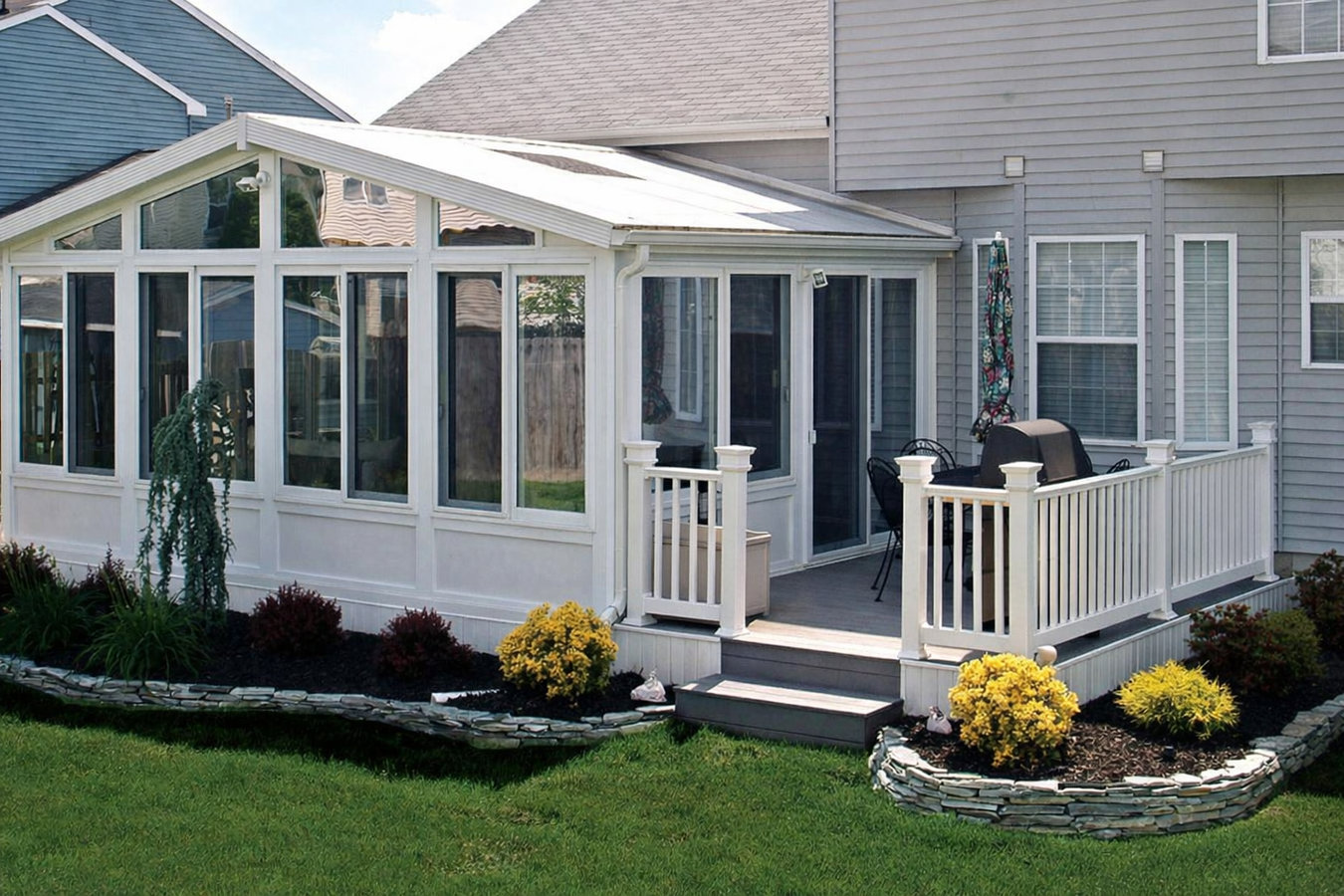
An enclosed patio room in Moreno Valley is an existing patio - typically a covered concrete slab - converted into a fully enclosed living space with walls, windows, and a finished roof, most projects take two to five weeks of construction once permits are approved, and the total timeline from signed contract to final inspection is typically six to ten weeks.
The main advantage over building a full addition from scratch is that your existing slab and patio cover do a lot of the heavy lifting. That keeps costs lower and the project faster. The tradeoff is that the slab needs to be in good shape before walls go up - Moreno Valley's clay soil causes concrete to shift over time, and a contractor who skips that evaluation is setting you up for problems later. If you are weighing this option against a fully engineered room addition, our solarium installation service is worth a look for homeowners who want more glass and a more custom feel.
Most of Moreno Valley's homes were built between the mid-1980s and early 2000s, and many share similar patio dimensions and layouts. That means local contractors have typically built enclosed patio rooms on slabs just like yours many times before - which makes material estimates and timelines more predictable than on a one-of-a-kind custom build.
If you walk past your patio furniture all summer without sitting down because it is simply too hot, that is a strong signal an enclosed room would actually get used. Moreno Valley's triple-digit summer temperatures make open patios impractical for months at a time, and an enclosed room with proper ventilation changes that entirely.
If your family has outgrown the living room, you are using a bedroom as a home office, or you have nowhere comfortable to put guests, your patio may be the most affordable way to add real square footage. Converting an existing covered patio is almost always less expensive than building a room addition from scratch because the slab and structure are already partially in place.
If your aluminum or wood patio cover is rusting, sagging, or letting in water when it rains, you are already facing a repair or replacement decision. At that point, it often makes more financial sense to convert the space into a fully enclosed room rather than simply patching the cover again. You end up with something far more functional for a modest additional investment.
A solid, level concrete slab is the foundation of a successful enclosed patio room conversion. If your slab has no major cracks, is not visibly tilted or sunken, and drains water away from the house, you are likely a good candidate for this project. Moreno Valley's dry climate means many slabs from the 1990s and early 2000s are still in excellent condition - which keeps your conversion costs down.
We handle everything from the initial slab assessment through permit submission, framing, window and door installation, and the final city inspection. Before quoting any project, we evaluate the condition of your existing concrete so there are no surprises after framing begins. For homeowners whose existing structure is further gone than they realized, we also offer full patio cover installation as a starting point before a full enclosure makes financial sense.
The permit and HOA coordination process is included in every project we take on. We prepare the plans your association needs, submit to the City of Moreno Valley's Building and Safety Division, coordinate the inspection, and give you copies of all permit documentation when the job is done. If you want to go further than a basic enclosure, our solarium installation service covers glass-ceiling designs for homeowners who want a more open, light-filled result.
Best for homeowners with a sound concrete slab who want the fastest and most cost-effective path to an enclosed room.
Suits homeowners whose existing concrete has minor cracking or settling that needs to be addressed before framing begins.
Right for anyone who plans to use the space during Moreno Valley's hot summers and wants a mini-split or HVAC connection for real comfort.
For homeowners who want the finished room documented with the city so it counts as livable square footage when they sell or refinance.
Moreno Valley's housing stock skews heavily toward 1985-2005 tract homes with standard patio configurations - which is actually good news for homeowners considering an enclosure. Local contractors have built this type of project on slabs just like yours many times, which means better cost predictability and fewer surprises during construction. The bigger local consideration is what happens inside the finished room. Summers here regularly push above 100 degrees Fahrenheit, and a patio room without proper insulation and ventilation will be unusable for four to five months of the year. The National Association of Home Builders recommends specifying windows, insulation, and HVAC for the local climate zone - not a national average. In Moreno Valley, that means taking the heat seriously from the design conversation forward.
The city's permit process and most HOA review timelines run two to four weeks each - something homeowners in Moreno Valley and neighboring Loma Linda deal with in equal measure. A contractor who knows the local process builds those timelines into the schedule upfront rather than calling them surprises later. If you want to be using the room before next summer, the time to start is now - not after another season of watching the patio sit empty.
We ask about the size of your patio, whether it has an existing cover, and what you are hoping to use the room for. This conversation is short - a few minutes to figure out whether a site visit makes sense. We respond within one business day and do not pressure you into scheduling anything.
We come to your home, measure your patio, and assess the condition of your slab before we quote anything. We walk you through window options, climate control choices, and what the finished room will look like. You receive a detailed written estimate within a few days - with labor, materials, and permit costs listed separately.
Once you approve the design and sign a contract, we submit the permit application to the City of Moreno Valley and prepare any HOA documents your neighborhood requires. This stage typically takes two to four weeks per submission. You do not need to contact the city or your HOA during this period - we handle the follow-up.
The crew frames the walls, installs windows and doors, finishes the interior, and makes any electrical or HVAC connections. A city inspector reviews the completed work before sign-off - that is the document you keep with your home records. We do a final walkthrough with you before we leave to make sure everything is working correctly.
No obligation. We come to your home, check the slab, and give you a clear written quote.
(951) 518-9916Moreno Valley's clay-heavy soil causes concrete to shift over time, and a slab that looks fine from the surface can have settling issues that only show up when you look closely. We check your concrete before committing to a price - and if it needs repair first, we tell you upfront rather than after the walls are already up.
Communities like TownGate, Sunnymead Ranch, and Rancho Belago have active HOAs with their own design requirements. We know what most of these associations require, prepare the submission documents for you, and follow up on their behalf so you do not have to track down meeting schedules or resubmit incomplete applications.
The City of Moreno Valley's Building and Safety Division issues permits and sends inspectors to verify that work is safe and code-compliant. We pull the permit for every project - so the finished room is on record with the city when you sell your home, not a red flag for your buyer's lender. You can verify our California Contractors State License Board license at cslb.ca.gov.
An enclosed patio room that is not properly insulated and ventilated will be unusable from June through September in this market. We spec the windows, insulation, and climate control options for the Inland Empire heat zone specifically - not for a spec sheet written for the national average. The finished room should be comfortable in July, not just in October.
Taken together, those details are the difference between a room that adds value to your home and one that creates problems when you sell. We have worked on enclosed patio projects across Moreno Valley and know what the city, HOAs, and the local climate demand of this type of construction.
Glass-ceiling solarium designs that maximize natural light for homeowners who want a brighter, more open feel than a standard patio enclosure provides.
Learn MoreA solid or lattice patio cover is a lower-cost first step if full enclosure is further down the road than you are ready for right now.
Learn MorePermit slots fill up and the permit review clock does not start until the application is in. Call or request an estimate today so next summer looks different.